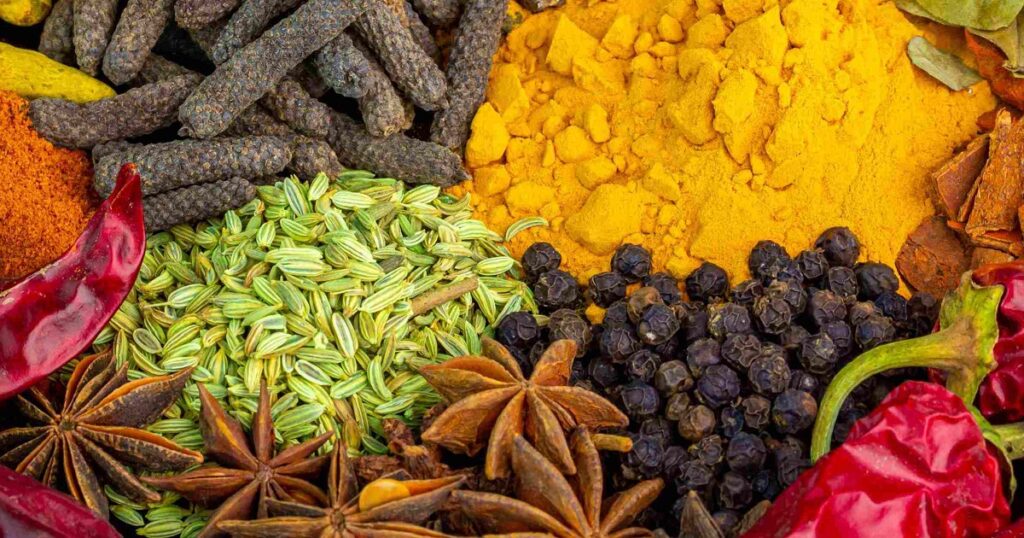
Today, Indian cuisine and its deliciously aromatic spices are seeing their use spread and become known even in the West. For millennia, these spices have been as much a part of Indian cuisine as of their medicine, but it was especially since the 10th century that they appeared in Europe by land via the peoples of the Middle East, then by sea from the spices, in the Middle Ages. Great good for us, since they are essential allies in maintaining good digestive health! (1)
In our article Ayurvedic Diet, Basic Principles , we discuss the concept of the three doshas , named vata , pitta and kapha . These are three parameters inherent to life that we use in Ayurveda to describe the nature and state of health of an individual, as well as the impact of lifestyle and diet on the balance of the body. human.
By identifying which dosha is the least balanced in us at a given moment, we can prioritize a mixture of spices and aromatics to add to our dishes to help us rebalance this dosha . The mixture will then exert a beneficial influence on our well-being and our state of health, serving as a tool to adapt our diet to our personal situation.
A mixture of spices is commonly called masala in India. Preparing these mixtures in advance facilitates their availability and frequent use, which increases their impact on our health. The approach of already prepared and expertly balanced spice blends allows you to add a large number of spices and aromatics to your dishes in a few seconds, which avoids having to open multiple jars and estimate the proportions to each time during meal preparation.
What’s more, the balanced composition of the three blends presented below is designed to avoid disturbing other doshas while soothing a particular dosha . For example, the mixture to soothe kapha , trikatu , has a pungent flavor, which can unbalance vata and pitta when used in excess. On the other hand, its post-digestive effect is mild, which mitigates this effect. Conversely, cayenne pepper has a spicy flavor ( katu rasa ) and its post-digestive effect is also spicy ( katu vipaka ), which can cause intestinal irritation and further aggravate the vata and pitta doshas .
To learn more about flavors and their effects, consult the article The 6 Flavors and Food as well as our educational videos on the subject.
Balanced combinations of spices harmonize their flavors and help us appreciate them on a taste level, sometimes even in the case of spices and herbs that we do not usually like when consumed alone or poorly accompanied . Let’s see how we can easily concoct aromatic blends adapted to our constitution and our current needs, while pleasantly titillating our taste buds.
1.Cook the yellow peas separately for 60 minutes over low heat, with salt, in a large pot (large enough to accommodate the peas and all the vegetables in the recipe, which will be added later).
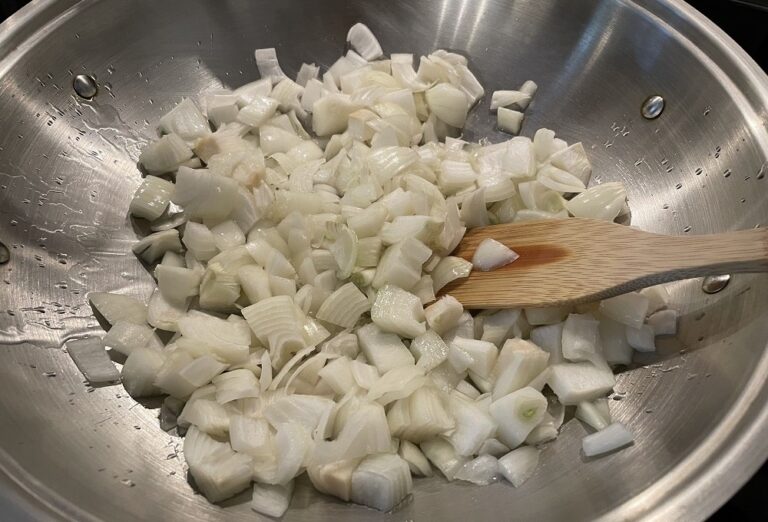
3.In a large wok, large saucepan or cauldron, brown the onions with 1/3 of the oil (group 1) over medium heat for 5 minutes, stirring regularly.
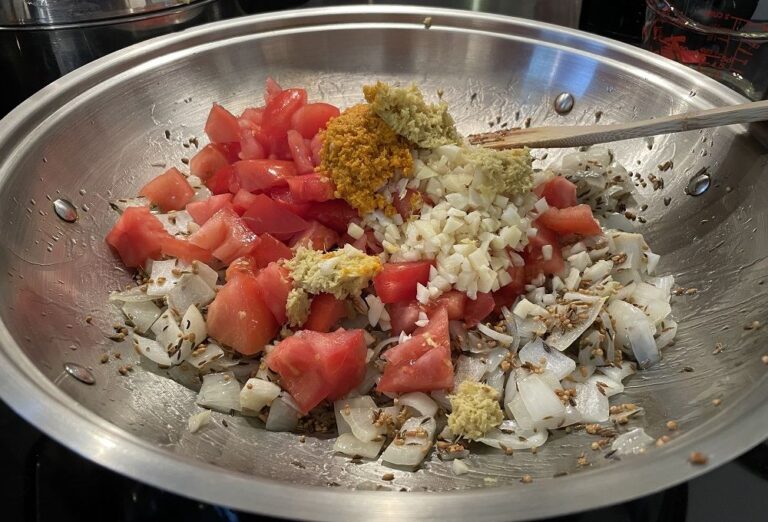
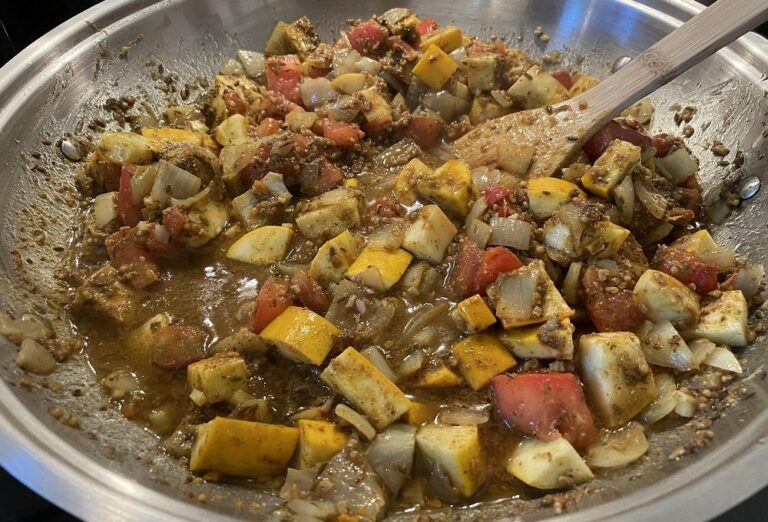
4 Add another 1/3 of the oil, the spices first (coriander, cumin, fenugreek, mustard and ajwain) which we simmer for around thirty seconds, then the tomatoes, garlic and ginger (group 2). Brown over low heat for 10 minutes, cover and stir occasionally.
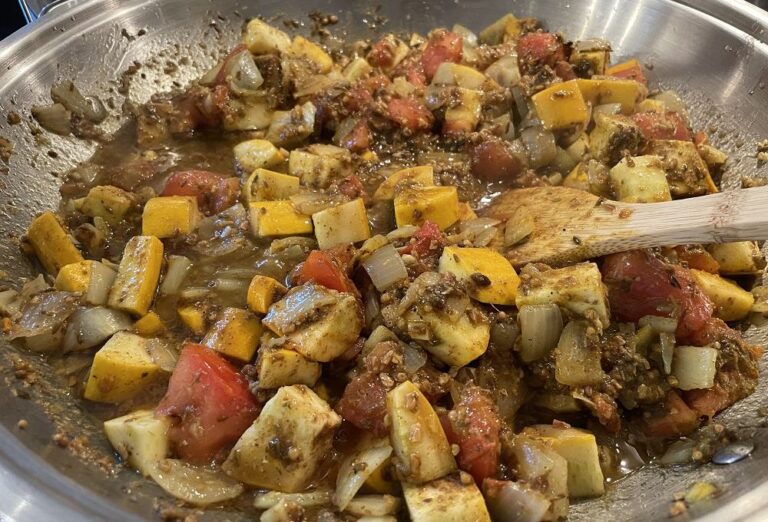
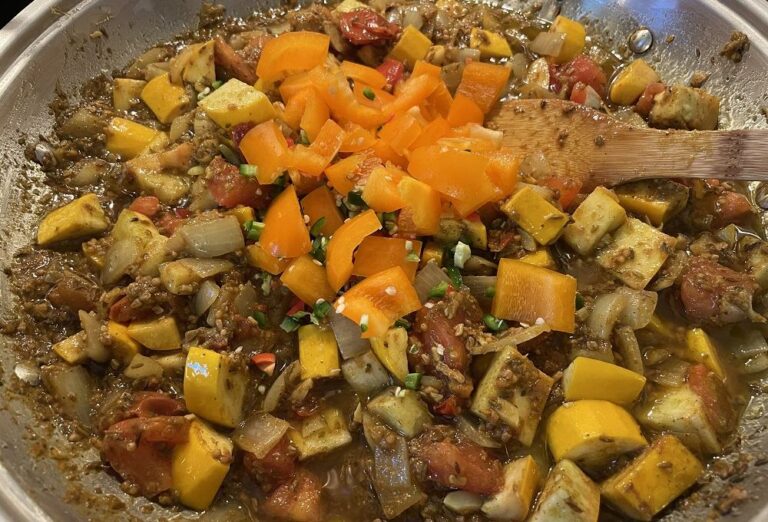
5 Add the zucchini, water (group 3) and the remaining 1/3 sunflower oil. Bring the water to a boil over medium heat, then reduce the heat to low and cook for 5 minutes.
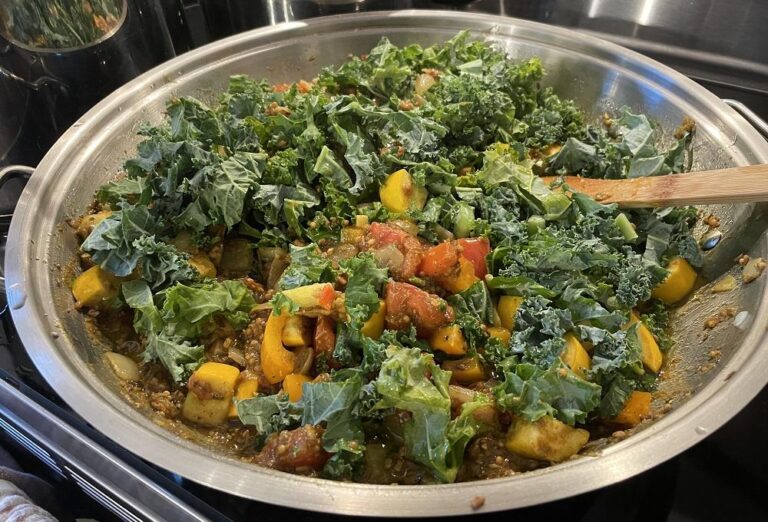
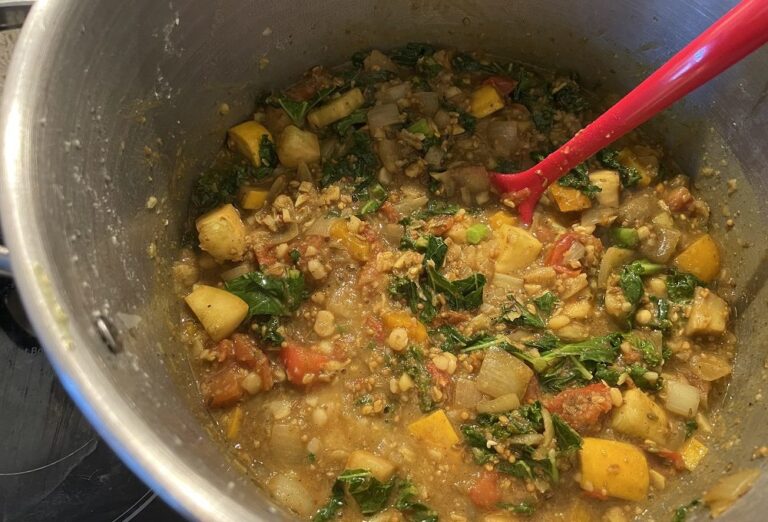
8 Add the kale (group 5), cook over low heat for 2 minutes, close the heat and let sit for another 3 minutes. Set aside until the yellow peas are cooked.