Dhal with split yellow peas
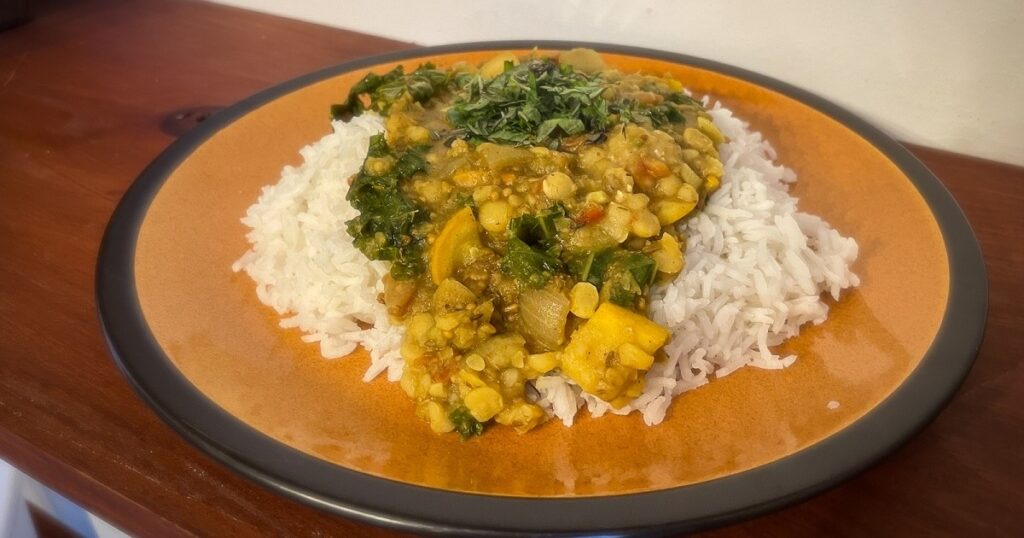
A classic recipe
We offer you a classic yellow pea dhal recipe to delight your taste buds. This typical Indian dish is appreciated by all, due to the balance of its flavors and its varied textures. Our Ayurvedic spice blends specific to each dosha are highlighted and make it easy to add more than 10 different, well-balanced spices in no time. Enjoy your food !
INSTRUCTIONS
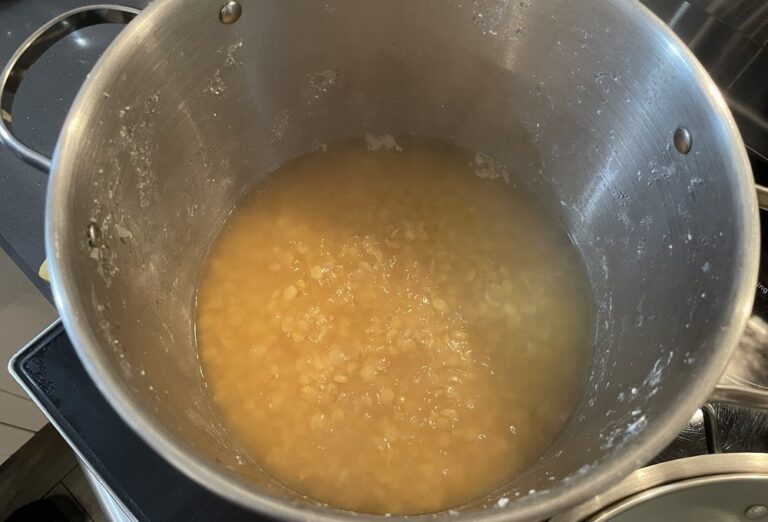
1.Cook the yellow peas separately for 60 minutes over low heat, with salt, in a large pot (large enough to accommodate the peas and all the vegetables in the recipe, which will be added later).
2.Cook the white rice separately.
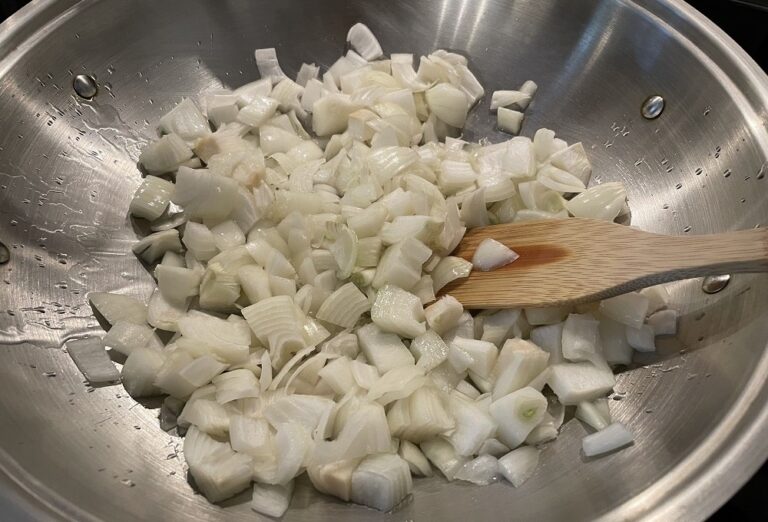
3.In a large wok, large saucepan or cauldron, brown the onions with 1/3 of the oil (group 1) over medium heat for 5 minutes, stirring regularly.
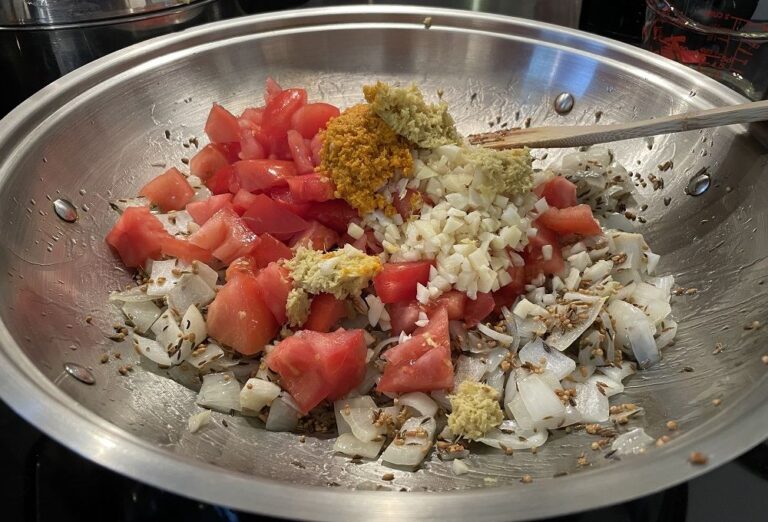
4. Add another 1/3 of the oil, the spices first (coriander, cumin, fenugreek, mustard and ajwain) which we simmer for around thirty seconds, then the tomatoes, garlic and ginger (group 2). Brown over low heat for 10 minutes, cover and stir occasionally.
5. Add the zucchini, water (group 3) and the remaining 1/3 sunflower oil. Bring the water to a boil over medium heat, then reduce the heat to low and cook for 5 minutes.
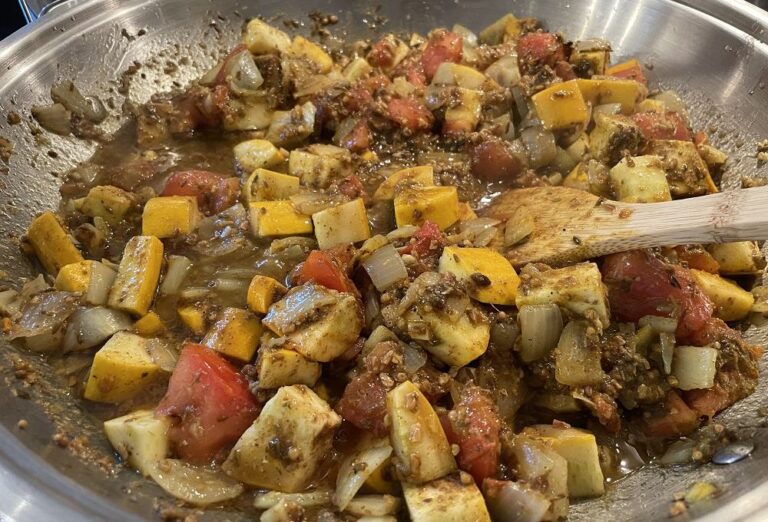
6. Add all the powdered spices (group 4) and mix well.
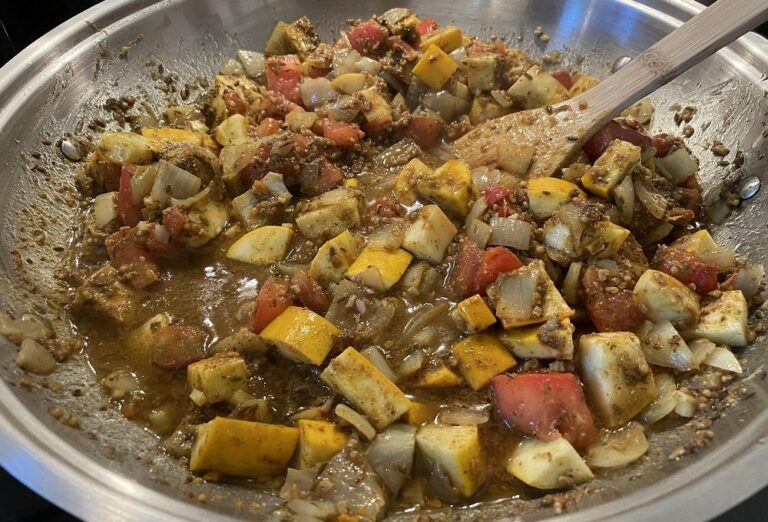
7. Add the peppers and hot peppers (group 5 except kale). Cook over low heat for 10 minutes, stirring occasionally.
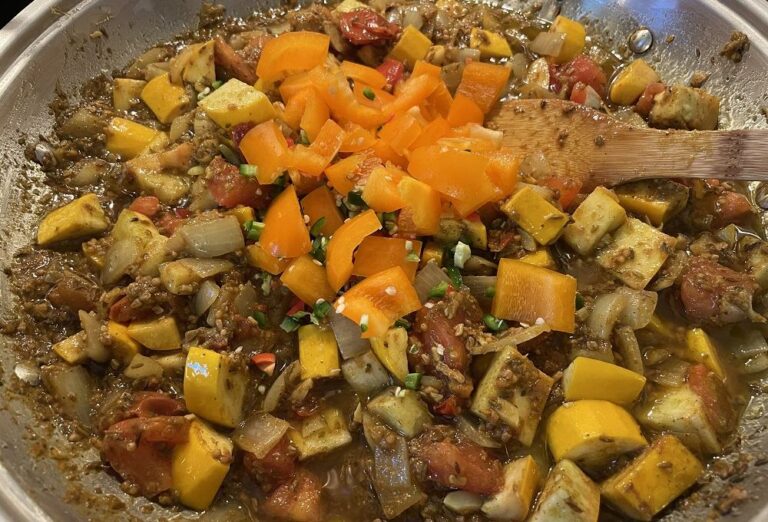
8. Add the kale (group 5), cook over low heat for 2 minutes, close the heat and let sit for another 3 minutes. Set aside until the yellow peas are cooked.
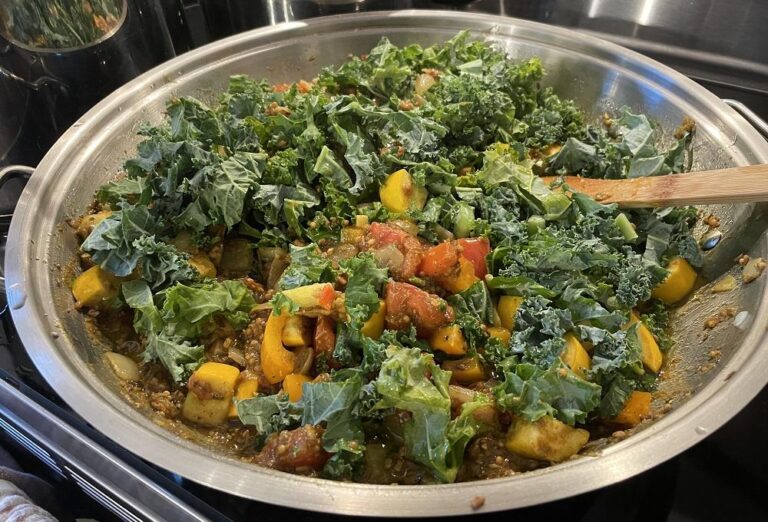
9. Transfer the vegetables to the large pot with the cooked peas and mix.
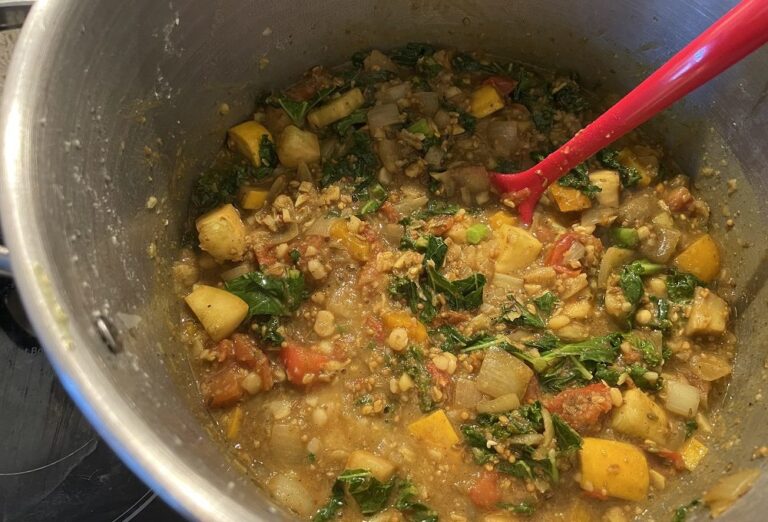
10. Serve on a bed of white rice, decorated with fresh coriander leaves.
Ayurvedic profile
Beneficial for: vata and pitta
Worsens: kapha in excessive amounts
Dominant flavor: Mild/Sweet,Spicy
Secondary flavor: Drirty
INGREDIENTS
-
- 2 cups yellow split peas (soaked 8 to 12 hours, drained, rinsed)
- 7 cups of water
- ½ tbsp salt
-
- 4 cups onions cut into cubes
- 1 cup of sunflower oil
-
- 5 tbsp freshly ground coriander seeds
- 3 tbsp whole cumin seeds
- 3 tbsp whole fennel seeds
- 3 tbsp whole mustard seeds
- 1 tbsp whole ajwain seeds (optional)
- 4 cups tomatoes cut into cubes
- 8 tbsp fresh ginger in small pieces, crushed in a mortar
- 8 tbsp garlic in small pieces
-
- 4 cups zucchini, cubed about 2 cm wide
- 1 cup of water
-
- 1 tbsp of salt
- 2 tbsp cane sugar
- 34 tbsp turmeric paste or dried turmeric powder
- 4 tbsp garam malasa
- 2 tbsp. “ pitta ” spice blend
- 1.50 tbsp “ kapha ” spice blend
- 1 tbsp “ vata ” spice blend
- 1 tbsp asafoetida
-
- 1.50 cups peppers cut into squares
- 100 ml chopped hot peppers
- 4 cups kale chopped into strips approximately 4 cm x 1 cm
- Rice
- 3 cups of white rice
- 6 cups of water
Variation for VATA types
Add 50 ml of hot peppers instead of 100 ml.
Change the peppers for a root vegetable of your choice: sweet potato, carrot or turnip.
Reduce the quantity of tomatoes by a third.
Variations for PITTA types
Add 75 ml of hot peppers instead of 100 ml.
Serve with plenty of chopped fresh cilantro or parsley to freshen up pitta .
Reduce the quantity of tomatoes and onions by a third or a half.
Variation for KAPHA types
- This recipe is well suited to kapha , as long as it is eaten in moderate portions and accompanied by raw leafy green vegetables.
NOTES
A tasty dish to share
For good digestion, it is said in Ayurveda that the pleasure of eating is almost as important as the food itself. We are served here on all sides with this particularly tasty and heady recipe, compared to our red lentil dhal and our kitchari , which are more restrained in flavor. On the other hand, this dhal, ultimately loaded with onions and tomatoes, could be slightly acidifying for the body, depending on our constitution and our digestive capacity. In addition, nightshades (tomatoes, peppers, hot peppers) are not ideal for people with a vata constitution who have problems with the nervous system, if they are consumed in several other meals in addition to those contained in this recipe. . For prevention, it will therefore be advisable to combine this dish with alkalizing foods to maintain balance in the body, such as spinach, butternut squash or even beets. Preparing a large quantity of this dish allows you to share it with friends for a festive dinner, while leaving a large enough quantity for freezing, so you always have a good Indian dish on hand. Generally speaking, it is better to enjoy our recipes freshly cooked, but a little pragmatism is also sometimes necessary in our hectic lives. Freeze desired amount in one-serving glass baking dishes. Once thawed, put the dish in the oven at 325° F for 25 to 30 minutes and enjoy!